Posted by: Sandy Steinman | July 5, 2020

Berkeley Street Photos 7/4/20

Photographed in the North Berkeley Flatlands on July 4, 2020.

This is part of my continuing project,  the “Stay at Home Photo Project”.  It includes many street photos from Berkeley and Albany as well as photos from the UC Berkeley campus, my yard and neighbors’ yards  You can see larger higher quality versions of many of the photos at Flickr in my collection Stay at Home Photo Project which includes the following albums

This slideshow requires JavaScript.

Posted by: Sandy Steinman | July 5, 2020

How to stay safe outdoors

Bay Nature  has an article by UCSF Dr. Sohil Sud on Staying Safe Outdoors  

UCSF Clinical Professor of Pediatrics Dr. Sohil Sud is the author of a May article on COVID-19 transmission and protection published in Hospital Pediatrics. With parks opening and shelter-in-place restrictions ending, we spoke to him about staying safe out­doors this summer. With the caveat that you should follow local public health ordi­nances and avoid public settings if you’re feeling ill, Dr. Sud recommends spending time outside whenever possible. All opinions expressed here are his own.

Read article and get answers and guidelines about how to stay safe outdoors at Q&A | UCSF Dr. Sohil Sud on Staying Safe Outdoors – Bay Nature

Posted by: Sandy Steinman | July 4, 2020

Rockridge Oakland Street Photos 7/3/20

Photographed in the Rockridge neighborhood in Oakland. A new area for my “Stay at Home Photo Project”

The “Stay at Home Photo Project”.  includes many street photos from Berkeley and Albany as well as photos from the UC Berkeley campus, my yard and neighbors’ yards  You can see larger higher quality versions of many of the photos at Flickr in my collection Stay at Home Photo Project which includes the following albums

This slideshow requires JavaScript.

Posted by: Sandy Steinman | July 4, 2020

A Peaceful Outdoor Experience


From Alt- National Park Service

Posted by: Sandy Steinman | July 4, 2020

Masks Required In East Bay Regional Parks

A MESSAGE FROM GENERAL MANAGER ROBERT E. DOYLE

Thanks to good planning and visitors’ efforts to follow the rules, our parks have remained open and accessible during COVID-19. For many, Regional Parks have been a sanity-saver!
To address recent increases in the state, Governor Newsom has closed State Park beach parking lots, museums, bars and restaurants, but has left closure decisions to the county health departments in the Bay Area. Because July 4th is such an important and needed holiday, most locally-operated coastal beaches will remain open including ALL East Bay Regional Park District shoreline parks.
To keep parks and beaches safely open, everyone needs to do their part. The best way to keep parks safe and slow the spread of COVID-19 is to wear a mask at or around your neck and cover your nose and mouth when around other people. So, when in parks, wear your mask with pride because you are helping protect yourself and others.
Join us in keeping parks safe and accessible by wearing your masks around others.
Robert E. Doyle
General Manager
Posted by: Sandy Steinman | July 4, 2020

This extinct horned turtle was the size of a car 

EarthSky reports

A team of paleobiologists has discovered exceptional fossil specimens of an extinct giant freshwater turtle in Venezuela and Colombia. The enormous turtle – a species from the genus Stupendemys – lived 5 to 10 million years ago in lakes and rivers of what’s now northern South America. Stupendemys was one of the biggest turtles that ever lived, with a shell that measured about 8 to almost 10 feet (2.4-3 meters). What’s more, it turns out that the shell of the male Stupendemys had horns, a rare feature in turtles.

Read more at  This extinct horned turtle was the size of a car | Earth | EarthSky

Posted by: Sandy Steinman | July 3, 2020

Regional Parks Botanic Garden Reopens – reservations required

from the Friends of the Regional Parks Botanic Garden

Starting Saturday, June 27, 2020, the Botanic Garden is open to individuals and households by making free reservations for up to five individuals per reservation. Pets are not allowed in the Botanic Garden. Up to two reservations per household may be made each week.

At this time, the Botanic Garden will be open to visitors on Saturdays, Sundays, Tuesdays, and Thursdays from 8:30 AM to 4:30 PM. The latest reservation or visitor entry into the Botanic Garden will be 3:30 PM.

Read More…
Posted by: Sandy Steinman | July 3, 2020

New Ways to Visit Channel Islands National Park  

Channel Island National Park News Release


Channel Islands National Park has developed a new digital app to enhance the visitor experience in the park that can also be used to take a virtual visit. The new mobile app is free and available at the App Store or on Google Play.

Features in the app include exploring the islands through stories, sites, self-guided tours, and interactive maps, or finding favorite places, trails, and topics of interest. Visitors can use the app to create a collage of the images from your visit or to track a calendar of current conditions, events, or ranger programs. The app is fully accessible with audio description and alternative text for images. To learn more go to NPS Channel Islands App.

Read More…

Posted by: Sandy Steinman | July 2, 2020

Marin County Parks July 4 Visiting Guidelines & Closures

from Marin County Parks

Have Fun, Stay Safe

The beauty of nature lifts our spirits and invigorates our well-being during these challenging times. But the COVID-19 virus continues to spread, so we all must continue taking precautions. When visiting a park or open space over the Fourth of July holiday, remember:

  • Small household or ‘social bubble’ groups only; no large gatherings.
  • Practice social distancing.
  • Wash or sanitize hands often.
  • Carry a face covering and wear it when you can’t maintain distance from people.
  • Pack in what you need. It’s OK to bring your own small picnic and lawn games to enjoy in a park. Just pack it all out.

Playgrounds, BBQs, and picnic tables remain closed. McNears Beach pool is closed. Parking may be limited or restricted to prevent crowding. Other restrictions may apply, even at open locations. Please respect area closure notices, and notices regarding the safe use of facilities.

Read More…

Posted by: Sandy Steinman | July 2, 2020

Mono Inn Project Rejected for Needed Improvements

from the Mono Lake Committee

After two lengthy days of public meeting and deliberation, the Mono County Board of Supervisors sent the Tioga Inn project back to the developer and staff for major improvements to the design and content.

Thanks to overwhelming public and community opposition voiced in the hearing, the Board listened and did not approve the project as proposed. Thank you to all of you who sent an email or commented at the meeting this week—it made a tremendous difference!

Read More…

Posted by: Sandy Steinman | July 2, 2020

California State Parks Safety Measures and Closures for July 4

California State Parks is implementing safety measures to reduce the density of visitors over the Fourth of July weekend (July 3-5) in the State Park System. All state beaches in Los Angeles and Ventura counties will be temporarily fully closed to the public in alignment with county public health orders. State Parks will also be temporarily closing vehicular access at all beaches in Marin, Monterey, Orange, San Diego, San Francisco, San Mateo, Santa Barbara, Santa Cruz and Sonoma counties. While other state park units will remain open, State Parks’ staff will monitor visitation and physical distancing over the weekend. Measures will be taken to modify operations where needed to limit overcrowding. Current camping reservations at all state park units over the Fourth of July weekend will be honored.

Everyone has the responsibility to mitigate the spread of COVID-19, including in the outdoors. The public is reminded to avoid road trips and stay close to home, maintain physical distancing, wear a face covering when a physical distance of six feet from others who are not from the immediate household members cannot be maintained, and avoid congregating. This means no gatherings, picnics or parties. Visitors are being asked to leave if there are too many people to allow for the required physical distance. As a reminder, the use of fireworks is not permitted in the State Park System (year-round).

Below is a breakdown of the safety measures State Parks is implementing over the Fourth of July holiday weekend (July 3-5):

Posted by: Sandy Steinman | July 2, 2020

10 Least Visited National Parks

Reserve America reports on the 10 Least Visited National Parks and Why to See Them

While well-known spots like Grand Canyon and Yosemite National Parks bring in more than 4 million visitors a year each, some of the lesser-known ones have minimal visitors, plenty to do, and much-needed peace and quiet.

Read article to learn about these parks at  10 Least Visited National Parks and Why You Have to See Them

The East Bay Times reports

The Northern Sierra Partnership, a coalition of land trusts based in Palo Alto and funded in large part with donations from Silicon Valley technology leaders, purchased the 2,914 acres located about two miles north of Truckee. The purchase is part of a multi-year effort to protect 100,000 acres or more between Lake Tahoe and Mount Lassen for wildlife, public recreation and water conservation.

Read full article at  Lake Tahoe: $14 million deal to preserve wild lands, forests, remote lake near Truckee – East Bay Times

Abbotts Lagon at Pt. Reyes is a good location for wildflowers, birds, butterflies and more. Most abundant on the trail were California Poppies (coastal form), Yarrow and Yellow Bush Lupine, though it was past peak. In the sandy areas on the beach area at the end of the trail there were lots of Gumplant and Curly-leaved Monardella.  Up on the headlands there was a good amount of Coast Buckwheat. Many other things were in bloom. See attached plant list.

The most interesting bird activity was the flyovers of the White Pelicans. Also found was  the endangered Myrtle’s Silverspot butterfly nectaring on Curly-leaved Monardella and Yellow Sand Verbena. It was sunny and windy so it wasn’t ideal for photography but there was plenty to see. Here is a slideshow that will give you an idea of some of what I saw.

This slideshow requires JavaScript.

click more to see Plants, Bird, Butterfly and Animal lists

Read More…

Posted by: Sandy Steinman | June 30, 2020

Nature First – The Alliance for Responsible Nature Photography

Help conserve the places we love and photograph through wise use, education, outreach, community, and research.

Some of the Earth’s greatest landscapes and treasured natural areas are threatened by increased visitation and general lack of care. We aim to preserve these places by building an alliance of responsible photographers and cultivate a community of advocates and partners to help spread the word.


Nature First is built on seven core principles that help communicate how each of us can enjoy nature photography responsibly. The Seven Principles of Nature First Photography were developed to help educate and guide both professional and recreational photographers in sustainable, minimal impact practices that will help preserve nature’s beautiful locations.

THE NATURE FIRST PRINCIPLES

  1. Prioritize the well-being of nature over photography.
  2. Educate yourself about the places you photograph.
  3. Reflect on the possible impact of your actions.
  4. Use discretion if sharing locations.
  5. Know and follow rules and regulations.
  6. Always follow Leave No Trace principles and strive to leave places better than you found them.
  7. Actively promote and educate others about these principles

Learn more at Nature First

Posted by: Sandy Steinman | June 29, 2020

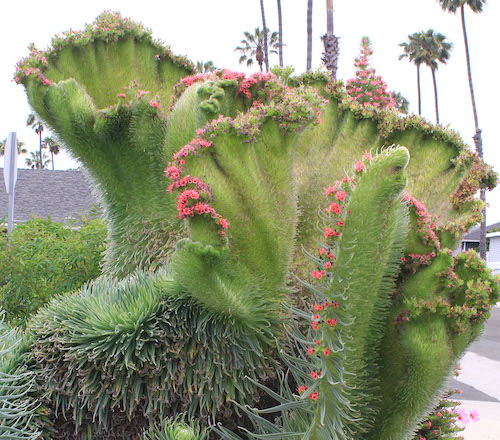
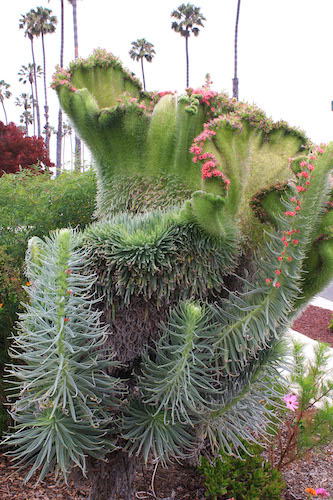
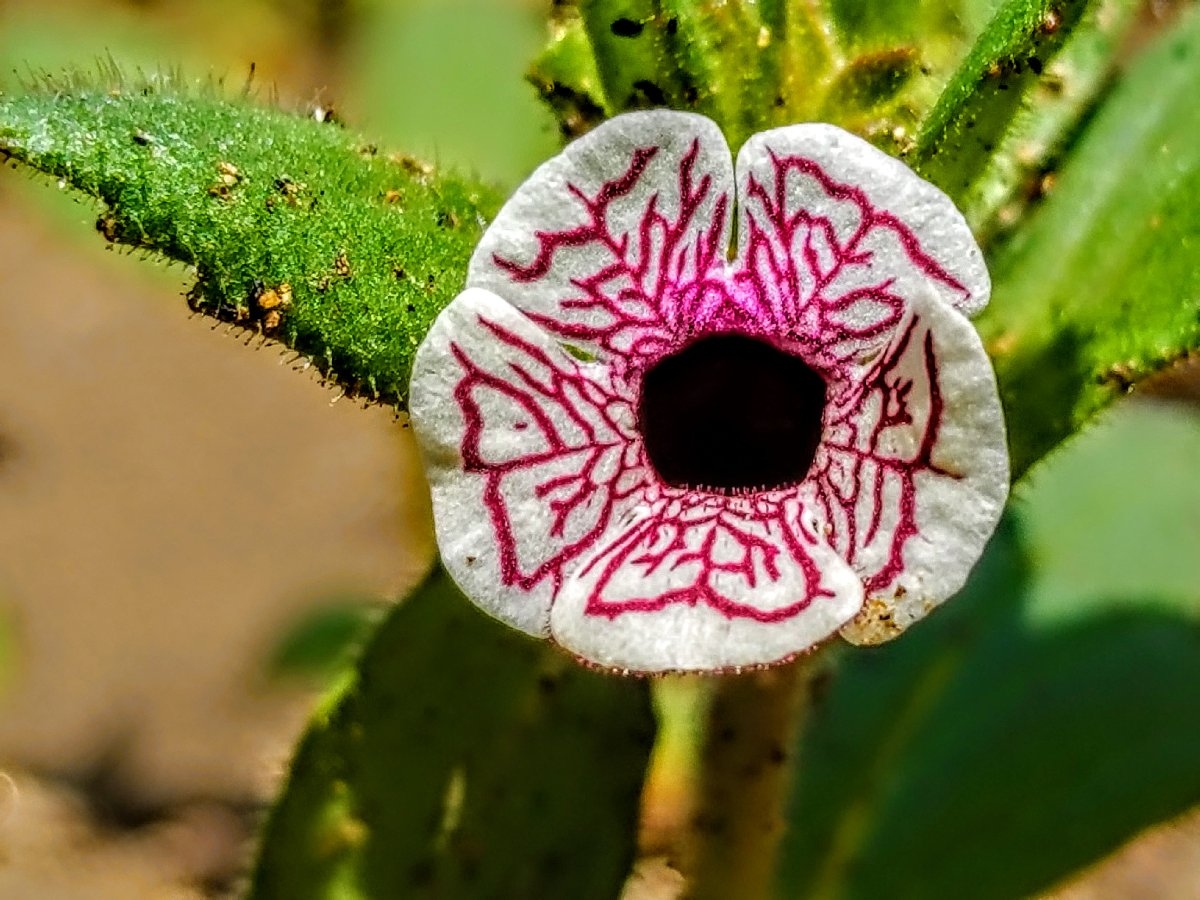
Strange Plant Photos

submitted by Spencer Westbrook.

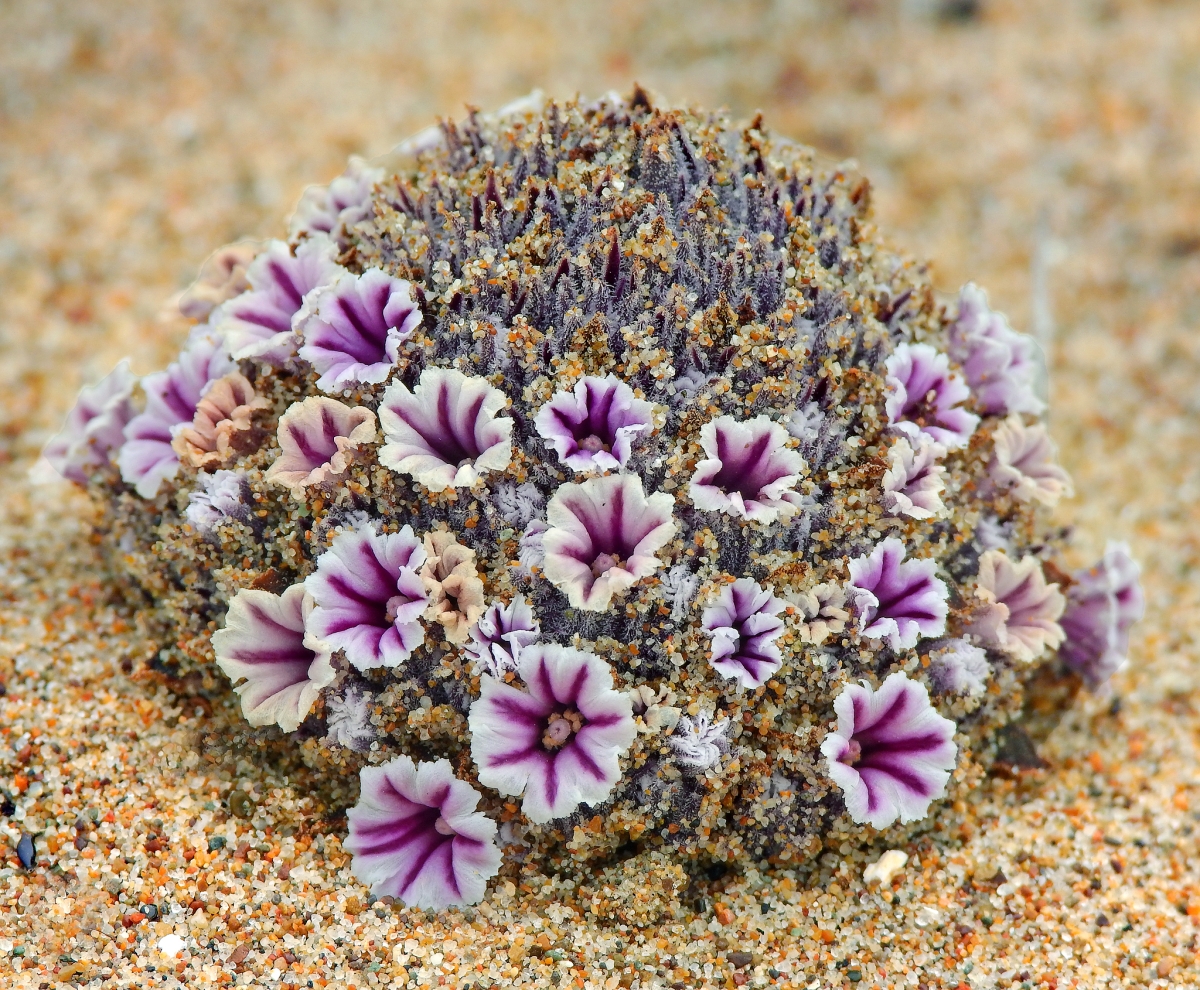
Photos of an amazing plant distortion in a Ventura, CA neighborhood. Overall this appears to be about 6.5′ hight, about 40″ across at the top.

Any guesses about what is going on with them? Comments welcome.


\

Posted by: Sandy Steinman | June 29, 2020

Letter From the Desert: Anti-Racism

Letter From the Desert: Anti-Racism By Chris Clarke

I signed off the last Letter From the Desert with a promise that the next issue would address some of the misrepresentations being spread by opponents of protecting the western population of Joshua trees under the California Endangered Species Act. I sent that out at 9:40 p.m. Pacific Daylight Time on May 25.

A little more than three hours earlier, (now-former) police officer Derek Chauvin had carried out the extrajudicial execution of George Floyd on a Minneapolis street, but most of us would not know that until the next day.

I have been working since on the usual desert protection stuff, but have found it hard to summon up the indignant outrage I was counting on to write that Joshua tree thing. Local officials spread untruths to misinform the public at the expense of a cherished and threatened bit of the natural world? Sounds like Tuesday.

In the meantime, the world erupted and has continued to do so since. And I still struggle to put words in the right order.

I am not saying anything new when I say that there is nothing new about any of this, with the sole exception of the number of white people who are belatedly paying attention. Not a lot of people know this, but my introduction to activism, a little less that 50 years ago, came during the trials of a handful of participants in the 1971 Attica Prison rebellion, charged with the murder of a prison guard during the uprising. Learning about that uprising, about the torturous conditions inmates faced pre-riot and the literal torture the survivors endured at the hands of law enforcement after many of them were murdered in cold blood, made the scales start to fall from my eyes.

Read More…

Posted by: Sandy Steinman | June 29, 2020

How the giant sequoia protects itself

News Release from Freiburg University

A three-dimensional network of fibers makes the bark resistant to fire and rock fall

The giant sequoia (Sequoiadendron giganteum) has developed effective strategies to protect itself against external influences in its natural environment in the Sierra Nevada. Its bark ensures that the tree survives wild fires and rock fall almost unscathed. Prof. Dr. Thomas Speck from the Cluster of Excellence Living, Adaptive and Energy-autonomous Materials Systems (livMatS), working with Dr. Georg Bold and Max Langer of the Institute of Biology, have examined the structural properties of its bark in detail for the first time. The University of Freiburg team has shown that the bark fibers form a three-dimensional network with cavities. This network distributes energy acting on the bark across the entire tissue. The results of their study have been published in the “International Journal of Molecular Sciences.”

Read More…

Posted by: Sandy Steinman | June 28, 2020

Berkeley Street Photos 6/27/20

Photographed in the North Berkeley Flatlands on June 27, 2020.

This is part of my continuing project,  the “Stay at Home Photo Project”.  It includes many street photos from Berkeley and Albany as well as photos from the UC Berkeley campus, my yard and neighbors’ yards  You can see larger higher quality versions of many of the photos at Flickr in my collection Stay at Home Photo Project which includes the following albums

This slideshow requires JavaScript.

Posted by: Sandy Steinman | June 28, 2020

Webinar: California Wildflowers and Climate Change 7/2/20

A 27-Year Wildflower Journey: Beauty and the Beast: California Wildflowers and Climate Change

July 2, THURSDAY 7:30 pm   Register for Beauty and the Beast here

Speakers: Rob Badger and Nita Winter

Rob Badger and Nita Winter will take you behind the scenes on their 27-year journey photographing wildflowers throughout California. It began in 1992 when they discovered and fell in love with California’s spectacular wildflower blooms in the Mojave Desert’s Antelope Valley California Poppy Preserve. Photographing these beautiful landscapes and individual flowers evolved into a documentary art project, Beauty and the Beast: Wildflowers and Climate Change. Their new multiple award-winning coffee table book, co-published with CNPS, focuses on California’s amazing plant diversity and is a companion to their traveling exhibition.

In the process of photographing super-bloom landscapes, Rob and Nita developed unique field techniques to capture one-of-a-kind images. They will discuss how they lugged 80 pounds of cameras and their “natural light” studio equipment from below sea level in Death Valley National Park to alpine meadows and 13,000-foot-high mountain passes.


Posted by: Sandy Steinman | June 28, 2020

Forest loss escalates biodiversity change

University of Edinburg News Release

The loss of forests around the world is causing far reaching change, with significant gains and losses to the variety of animals and plants that live there, research has found.

The international study, led by the Universities of Edinburgh and St Andrews, analysed biodiversity data spanning 150 years from more than 6,000 locations worldwide.

Forest loss

Researchers found that as tree cover is lost from the world’s forests, animals and plants are responding to the transformation of their natural habitats.

The research, published in the journal Science, shows that forest loss amplifies the gains and losses of biodiversity – the variety of plant and animal life found in a particular habitat – as well as the wider diversity and composition of ecosystems around the planet.

Biodiversity is always changing and the species we see on our forest walks today are likely to be different from the ones we saw growing up.

“We harnessed the power of generations of scientists’ recording data as they walk through forests. This allowed us to find signals amidst the noise and pick apart the influence of forest loss from the natural variation in biodiversity over time.

“Changes in the biodiversity of our planet’s forests matter because they echo how these landscapes look, the types of species they support and the benefits that forests provide for society such as clean air and water.

Gergana DaskalovaLead author and PhD student, School of GeoSciences, University of Edinburgh 

Deforestation

Forests support around 80 per cent of all species living on land – from eagles, bluebells, beetles, squirrels and many more.

Read More…

Posted by: Sandy Steinman | June 27, 2020

Nevada Irrigation District Opens Camping & Day-use July 1

Nevada Irrigation District News Release

NID has announced it will open most of its recreation facilities starting July 1, 2020.

Campgrounds, picnic day-use sites and boat ramps will re-open at Rollins and Scotts Flat reservoirs in the foothills, as well as at Jackson Meadows Complex and the Bowman Corridor.

There are exceptions: group campsites will remain closed at all facilities. Also, Fir Top and Findley campgrounds in the Jackson Meadows area will remain closed, as well as Aspen Group and Faucherie.

Read More…

Posted by: Sandy Steinman | June 27, 2020

A River Transformed After Dams Come Down

NPR has an article and audio podcast about how nature is transformed after a dam is removed at A River Transformed After Dams Come Down .

They describe it as ‘One Of The Best Nature Shows’.

Posted by: Sandy Steinman | June 26, 2020

Muir Woods Reopening Monday

SF Gate reports

Muir Woods National Monument, the historic preserve of old growth coastal redwoods 20 miles north of San Francisco, will reopen to visitors on Monday after being closed for over three months due to the coronavirus pandemic.

Read more Muir Woods announces reopening

Posted by: Sandy Steinman | June 26, 2020

Literacy for Environmental Justice and What Happens Now 

Bay Nature Interview on Environmental Justice

The environmental injustices of San Francisco’s southeastern waterfront neighborhoods are well chronicled. Yet the neighborhood also boasts miles of hiking trails, wetlands, and abundant wildlife, much of it fought for, developed, and restored by people in Bayview-Hunters Point. The neighborhood’s shoreline is home to the first urban State Park in California, a new bayshore campground with one of only two tent camping sites in the city, and a natural marsh where you can find one of the Bay’s rarest wetland plants. Behind those projects, and the continued greening and community stewardship of the neighborhood, is the 22-year-old nonprofit Literacy for Environmental Justice.

As the United States holds an urgent and overdue conversation about social and environmental justice, Bay Nature talked to LEJ Executive Director Patrick Marley Rump and Development Director Nicole McClain about what LEJ has already done, what community environmental programs look like in San Francisco’s last predominantly Black neighborhood, and what they see as the future of environmental justice in a rapidly gentrifying area.

Read interview at  Literacy for Environmental Justice and What Happens Now – Bay Nature

Posted by: Sandy Steinman | June 26, 2020

 Rattlesnakes vs. Gopher Snakes

Bay Nature tells you how to tell the difference between Rattlesnakes and Gopher Snakes at Ask the Naturalist | Rattlesnakes vs. Gopher Snakes – Bay Nature

Posted by: Sandy Steinman | June 25, 2020

Virtual Anza-Borrego Campfire Chats

From the Anza-Borrego Foundation

Upcoming Campfire Chats

Friday, June 26: Kathy Dice, former park superintendent, shares about native palm oases. Among the questions Kathy will address: “Why are the native palm oases there? Who and what lives there or lived there in the past? What secrets do they hold? What can we do to promote their health and longevity?”

Saturday, June 27: Former Supervising Ranger Fred Jee will talk about the presence of U.S. military in the Park from 1942 till 1945. He will discuss which units participated, what they did, and the effects of the evidence of their activity that remains.

Sunday, July 5: Former Park Superintendent Mark Jorgensen has been studying Anza-Borrego’s iconic desert bighorn sheep since 1967. His program “will help enlighten folks on the natural history of this magnificent animal and describe how important the Endangered Species Act has been to its recovery in the Peninsular Ranges.”

Watch the Campfire Chats live!

Posted by: Sandy Steinman | June 25, 2020

Act to Protect the Mono Basin

from the Mono Lake Committee

Mono County Board of Supervisors hearing on Tioga Inn project

Next Monday the Mono County Board of Supervisors will hold a public hearing to consider the Tioga Inn project and its permanent adverse impacts on the Mono Basin. Their vote will determine if the project is approved, modified, or denied.

As you know because you have previously commented on this project, residents, agencies, and the public have offered many good suggestions for reducing the project’s impacts. However, the developer rejected meaningful changes to the project, and the significant adverse impacts remain in the proposal going to the Board.

The Supervisors are being asked to approve a project that damages the scenic nature of the Mono Basin, compromises the safety of motorists, pedestrians and cyclists, stretches the capacity of local schools and the volunteer fire department, and saddles the Lee Vining Community and Mono County taxpayers with impacts and financial burdens that should be the responsibility of the developer.

Please comment one more time:

Show up for the Board of Supervisors meeting at 9:00am on Monday, June 29 via Zoom videoconference and comment to share your concerns about the project.

You can attend in person at Suite Z (Board Chambers) in the Minaret Village Mall at 437 Old Mammoth Road, Second Floor (above the Vons Pharmacy) in Mammoth Lakes. To ensure social distancing you must reserve your seat.

If you cannot attend the meeting, please distill your comment to 250 words or less and email it to the County by 5:00pm this Friday, June 26.

Mono County can, and must, do better. You can review detailed analysis of the project on our website. Please plan to attend the meeting next week as we make one final effort to communicate the extent of our concerns to the elected officials who will decide this project’s fate.

Thank you,

Geoffrey McQuilkin

Geoff McQuilkin
Executive Director

Posted by: Sandy Steinman | June 24, 2020

Calflora 2020 Photo Contest Winner

from Calflora

First Place
Second Place
Third Place
Posted by: Sandy Steinman | June 24, 2020

Sierra Nevada Conservation Service Opportunity

Become a SNAP Member

We are seeking enthusiastic, conservation-minded people to commit to a year of service to protect Sierra natural resources and sustainable communities. During the year, SNAP members will gain skills and technical training, mentor with outstanding environmental leaders and receive an education award at the successful completion of service. NOW ACCEPTING APPLICATIONS FOR SNAP 2020-21! Apply Now

Learn more and apply at Join SNAP – Sierra Nevada Alliance

« Newer Posts - Older Posts »

Categories